School Bus SVG: A Versatile Graphic Design Asset for Bloggers and Craft Enthusiasts
When I first opened the School Bus SVG graphic design asset, it immediately caught my eye with its clean lines and nostalgic charm. This is not just another clipart or illustration—it’s a well-crafted element that can elevate the visual tone of your content marketing efforts across various platforms. Whether you're designing blog headers, Pinterest pins, or downloadable printables, this asset has a unique ability to add both personality and purpose.
A Playful Yet Professional Editorial Mood
The School Bus SVG exudes a warm, educational vibe that makes it ideal for lifestyle blogs, parenting sites, or educational content creators. Its design feels friendly and approachable without being overly childish, striking a balance between playful and professional. The bold shape and subtle details give it enough character to stand out in a sea of generic graphics, while maintaining an editorial quality that supports serious storytelling.
This asset naturally fits into niches like back-to-school guides, kid-friendly crafts, learning resources, or even seasonal themes like autumn and fall events. It brings a sense of structure and tradition—perfect for content that aims to inform, educate, or inspire young learners and their families.
Real-World Publishing Applications
One of the key strengths of the School Bus SVG is its adaptability across multiple publishing formats. Here are several ways it can be used effectively:
- Blog Featured Images: Use it as a background element or icon in blog post thumbnails. It helps create stronger first impressions and clearly signals educational or family-oriented content.
- Pinterest Graphics: Pair it with headlines about school supplies, DIY projects, or learning activities. Its recognizable form works well for vertical layouts and improves click-through potential.
- Newsletter Headers: Incorporate it into newsletter banners to introduce new content or promotions related to kids, education, or creative crafts.
- Category Thumbnails: It adds visual consistency when branding categories like “Back to School,” “Learning Crafts,” or “Parenting Tips.”
- Lead Magnets & Digital Guides: Place it on downloadable worksheets, digital checklists, or printable planners to reinforce the theme and increase perceived value.
- Website Banners: Use it subtly in website headers or landing pages focused on educational tools or children's activities.
- Social Media Previews: As part of social media posts or ads, especially those promoting content upgrades or affiliate products in the craft or education space.
Design Flexibility Across Tools
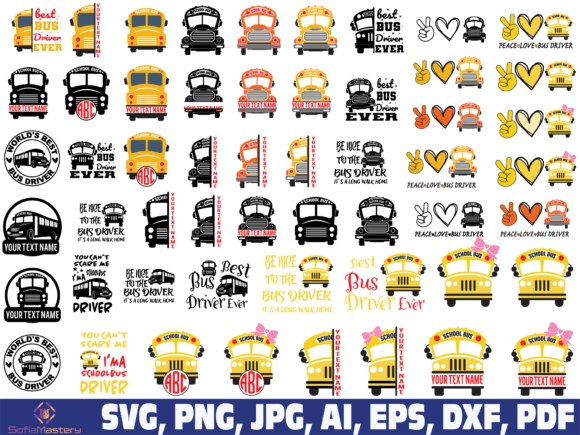
What I appreciate most about the School Bus SVG is its format versatility. The download includes SVG, DXF, PNG, PDF, AI, JPG, and EPS files in a zipped folder, making it compatible with a wide range of design software. Whether you're using Adobe Illustrator for high-end web design or Canva templates for quick social media graphics, this asset maintains clarity and sharpness. It also integrates smoothly with cutting machines like Cricut and Silhouette, opening up opportunities for physical craft items or promotional materials.
Boosting Content Performance with Visual Hierarchy
In the world of content publishing, strong visuals matter. The School Bus SVG contributes to better visual hierarchy by acting as a focal point that draws attention without overwhelming the viewer. When placed strategically beside headline text, it enhances readability and helps guide the reader’s eye toward the main message.
I tested it in several scenarios and found that it performs best when layered over solid backgrounds or paired with complementary colors. For example, placing it against a muted pastel palette created a modern design feel suitable for lifestyle-focused websites. Meanwhile, using it in black and white versions worked surprisingly well for minimalist branding or grayscale previews on certain platforms.
Its presence in featured images and category visuals improved brand identity recognition. Readers started associating the bus with educational and creative content, which helped build trust and familiarity over time.
Where It Works Best: Crafting a Stronger Visual Identity
Here are some of the most effective placements for the School Bus SVG within a real publishing workflow:
- Hero Images: Use it as an accent in hero sections of blog posts or landing pages, especially for topics like school readiness or creative learning.
- Article Thumbnails: Enhance article previews by adding it as a border or overlay, giving them a more polished and cohesive look.
- Pinterest Pins: Its vertical orientation and thematic relevance make it a powerful addition to educational or craft-related pin designs.
- Editorial Accents: Drop it into sidebars, infographics, or section dividers to maintain visual continuity across long-form content pages.
- Content Upgrades: Add it to digital product covers like printable activity books, coloring sheets, or lesson plans to make them instantly recognizable and appealing.
- Canva Templates: Integrate it into your own custom Canva templates for consistent blog graphics and social media visuals.
Where to Use It Carefully
While the School Bus SVG is highly versatile, there are some situations where it might not be the best fit. For instance, avoid using it in small mobile thumbnails where detail can get lost. Also, if your blog or website uses a very minimal visual system or targets corporate audiences, this asset may clash with the intended tone.
Be cautious when layering it over busy layouts or low-contrast backgrounds. In such cases, it can become visually cluttered and reduce readability. Always test how it looks alongside different font styles—serif, sans serif, script, handwritten, and display fonts—to ensure it complements rather than competes with your typography choices.
Practical Publisher Notes for Real Content Workflows
To ensure optimal performance in your content publishing strategy, here are a few practical tips I’ve learned through experience:
- Test on Multiple Screens: Preview the School Bus SVG on both desktop and mobile devices to see how it scales and retains its impact.
- Thumbnail Optimization: Make sure it still looks good when compressed into a thumbnail size. Sometimes, simplifying the design or reducing transparency helps.
- Layout Integration: Try it in a real blog layout before finalizing any design. See how it interacts with other elements like navigation bars, sidebars, or call-to-action buttons.
- Headline Compatibility: Overlay it with your actual headlines to assess legibility and alignment. Sometimes, adjusting spacing or opacity can significantly improve results.
- Contrast Checks: Test it with dark mode or light mode settings to ensure it remains visible and readable under all conditions.
- Color Variations: Consider recoloring it to match your brand palette. The SVG format allows for easy customization without losing quality.
- File Size Matters: Review file sizes for web use and compress images properly to maintain fast page load times.
- Licensing Confirmation: Before using it on monetized websites, affiliate pages, or paid content products, always confirm that a commercial license is included. This is crucial for legal compliance and peace of mind.
Conclusion: A Trusted Design Element for Creative Entrepreneurs
Overall, the School Bus SVG is a reliable and attractive graphic design asset that supports a variety of content publishing needs. From blog graphics to editorial accents, it offers a level of polish that enhances the professionalism of your site. As a digital publisher, I’ve seen firsthand how integrating such assets into regular workflows can boost brand recognition and reader engagement.
For bloggers, online educators, and creative entrepreneurs, this asset provides a consistent visual identity that resonates with targeted audiences. Whether you’re crafting a digital guide or designing a lead magnet, the School Bus SVG is a valuable tool in your creative marketplace toolkit. Just remember to test, tweak, and tailor it to your specific branding and editorial style for maximum impact.